
The Unsung Hero of Your Warehouse: Choosing Durable Concrete Coatings for Seattle Facilities
Your commercial warehouse floor endures a daily assault. From heavy forklift traffic and chemical spills to the constant dampness that defines the PNW climate, an unprotected concrete slab can quickly become a source of dust, damage, and danger. For facility managers in Seattle, maintaining a safe and efficient operational space is paramount, but the floor is often overlooked until problems arise. A cracked, stained, or slippery surface doesn't just look unprofessional; it can lead to costly operational downtime, inventory damage, and safety hazards.
Investing in the right industrial floor coating is one of the most effective ways to protect your asset, streamline maintenance, and ensure the longevity of your concrete. This guide will walk you through why specialized coatings are essential for high-traffic warehouses and how to choose the best solution for your specific needs.
Beyond the Slab: Why Bare Concrete Fails in a Commercial Setting
Standard concrete might seem tough, but it's a porous material. Left untreated, it absorbs moisture, oils, and chemicals, leading to staining and degradation over time. In a high-traffic warehouse, this vulnerability is magnified. The constant movement of machinery and pallets grinds the surface, creating fine concrete dust that can damage sensitive equipment and pose air quality concerns. Furthermore, the persistent Seattle drizzle can introduce moisture that contributes to cracking and spalling, creating uneven surfaces that are a trip hazard and a nightmare for forklift operators.
Here’s what you risk by leaving your warehouse floor unprotected:
- Increased Maintenance Costs: Constant sweeping to control dust and frequent repairs for cracks and chips add up, impacting your bottom line.
- Safety Hazards: Spills can seep into the concrete, creating permanent slick spots. Cracks and uneven surfaces increase the risk of trips, falls, and equipment damage.
- Operational Inefficiency: Damaged floors can slow down operations, and significant repairs may require shutting down entire sections of your facility, leading to costly downtime.
- Reduced Professionalism: A stained, dusty, and damaged floor detracts from the overall appearance of your facility, which can impact client and employee perception.
Selecting the Right Shield: A Guide to Industrial Floor Coatings
Choosing the right coating is about balancing durability, chemical resistance, cure time, and budget. There is no one-size-fits-all solution; the best choice depends on your facility's specific activities. Understanding the primary options is the first step toward making an informed decision.
Epoxy Coatings: This is the industry standard for a reason. Epoxy coatings create a hard, durable, and seamless surface that is highly resistant to chemicals, abrasions, and impacts. They bond exceptionally well to properly prepared concrete, creating a long-lasting finish. Available in a variety of colors, they can also be used to create a brighter, more reflective workspace, improving visibility and safety. Epoxy is an excellent choice for manufacturing facilities, storage areas, and showrooms.
Polyurea and Polyaspartic Coatings: These are known for their rapid curing times, which is a major advantage for facilities that can't afford long shutdowns. A polyurea floor can often be returned to service in as little as 24 hours. They are also extremely durable, flexible, and UV-stable, meaning they won't yellow when exposed to sunlight, making them suitable for areas near loading bay doors. Their flexibility provides superior impact resistance compared to the more rigid epoxy.
Urethane Cement: For the most demanding environments—such as those with extreme temperature fluctuations or heavy moisture—urethane cement is a top-tier solution. It's incredibly resistant to thermal shock (e.g., from steam cleaning) and offers the highest level of chemical and abrasion resistance. It's a common choice for food and beverage processing plants and commercial kitchens.
Our team can help you evaluate your needs to select the ideal specialty coatings that offer the best protection and value for your operations.
The Foundation of Durability: The Critical Role of Surface Preparation
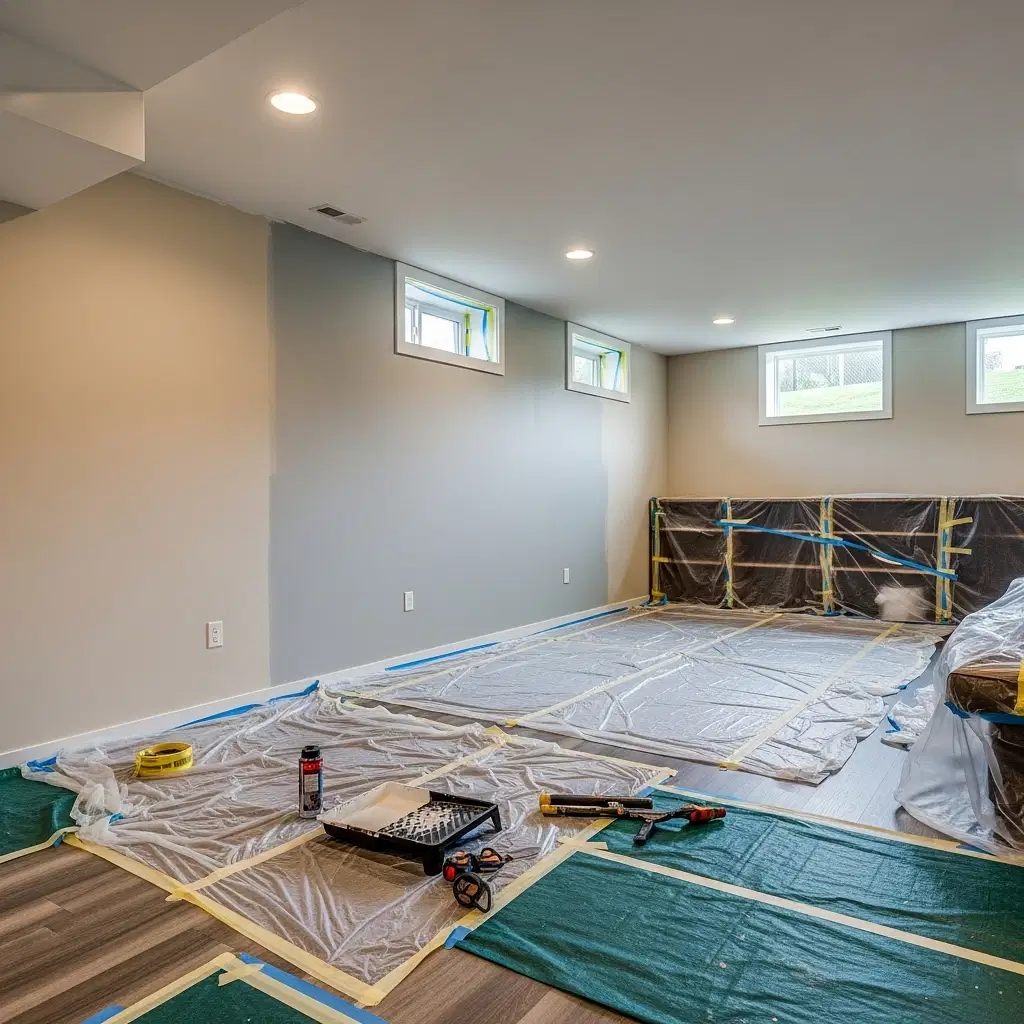
Even the most advanced coating will fail if the concrete surface isn't prepared correctly. This is where professional expertise truly makes a difference and where quality of workmanship is non-negotiable. A proper application process is meticulous and essential for ensuring the coating bonds permanently to the slab.
The key steps include:
- Diamond Grinding or Shot Blasting: This process removes any existing sealers, contaminants, and laitance (a weak top layer of concrete), creating a porous, textured profile that the new coating can grip onto.
- Crack and Joint Repair: All existing cracks, pits, and spalls are filled and repaired. Control joints are often filled with a flexible sealant to create a truly seamless surface that is easier to clean and prevents dirt from accumulating.
- Thorough Cleaning and Degreasing: The floor is meticulously cleaned to remove all dust, debris, and oil residues that could interfere with adhesion.
- Primer Application: A compatible primer is applied to seal the concrete and create the strongest possible bond for the subsequent topcoats.
Skipping or rushing any of these steps is a recipe for premature peeling, bubbling, and coating failure. A professional team ensures every inch of your floor is perfectly prepped for a finish that lasts.
Enhancing Safety and Efficiency with Functional Finishes
A high-performance floor coating does more than just protect the concrete; it enhances the functionality and safety of your entire workspace. This is particularly important for busy concrete warehouses where efficiency and employee safety are top priorities.
Consider these functional additions:
- Slip-Resistant Finishes: Aggregates can be broadcast into the topcoat to create a textured, slip-resistant surface. This is crucial in areas prone to spills or moisture, significantly reducing the risk of workplace accidents.
- Line Striping and Markings: Clear, durable lines for traffic lanes, pedestrian walkways, safety zones, and storage areas can be integrated directly into the flooring system. This improves organization, directs traffic flow, and helps maintain OSHA compliance.
- Improved Lighting: A light-colored, high-gloss floor can increase the ambient light in your facility by up to 300%. This not only creates a more pleasant working environment but can also reduce energy costs and improve visibility for detailed tasks.
Invest in a Floor That Works as Hard as You Do
Your warehouse floor is a critical component of your daily operations. By investing in a professional-grade concrete coating, you're not just improving its appearance; you're enhancing safety, reducing maintenance costs, and preventing the operational disruptions that come from floor failure. From selecting the right materials to executing a flawless surface preparation, a durable floor is a smart investment in your business's productivity and longevity.
If you’re ready to transform your facility with a durable, safe, and low-maintenance flooring solution, the experts at Premier Washington Painting Company are here to help. We specialize in a full range of commercial painting and coating services for facilities throughout the Seattle area. Contact us today for a comprehensive consultation and a free, detailed estimate.