
When Is Standalone Primer Necessary Before Painting?
Paint-and-primer-in-one products can save a step on the right surface, but they are not a universal replacement for dedicated primer. If a wall is stained, newly installed, highly porous, glossy, or made from a challenging material, skipping primer can lead to uneven color, poor adhesion, and stains that return through the finish coat.
That distinction matters in Seattle, where moisture, older homes, and previously coated surfaces can make proper preparation especially important. Premier Washington Painting Company uses primer according to the condition and material—not simply because a product label promises all-in-one coverage. Here is how to tell when standalone primer is worth the extra step and what homeowners should expect from a professional estimate.
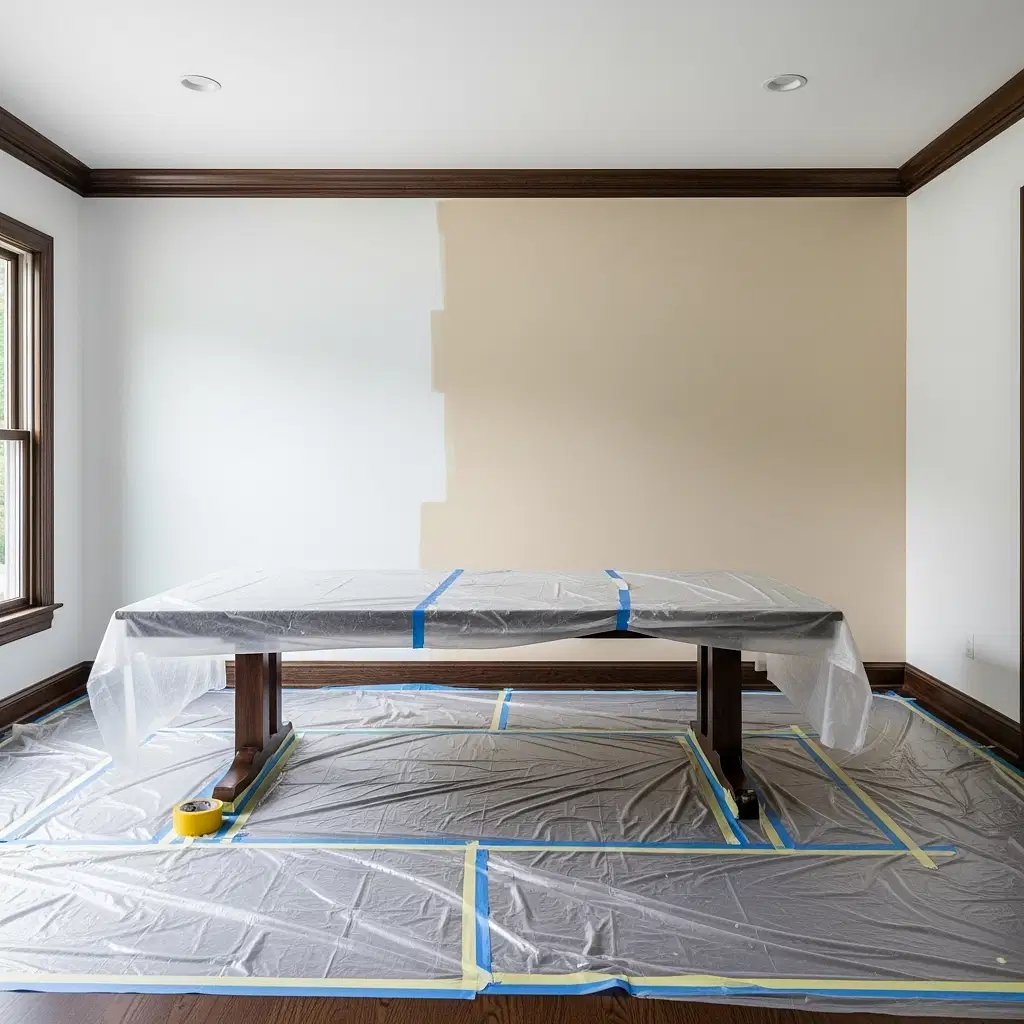
The situations that call for dedicated primer
Primer solves surface problems that finish paint is not designed to handle. A separate primer is usually necessary in the following situations:
- Bare drywall or fresh joint compound: New drywall paper and joint compound absorb paint at different rates. A drywall or PVA primer seals the surface so the finish does not look patchy or dull. Even small repairs may need spot-priming.
- Water, smoke, tannin, or grease stains: Ordinary wall paint may temporarily hide discoloration without sealing it. A stain-blocking primer prevents contaminants from migrating into the new coating.
- Bare or weathered wood: Wood grain, knots, and tannins can bleed through paint. Exterior wood also needs a compatible primer to improve adhesion and moisture resistance.
- Glossy or slick surfaces: Previously painted trim, cabinets, tile, laminate, and some factory finishes often need sanding plus a bonding primer. Paint applied directly to a slick surface may scratch or peel.
- Porous masonry or concrete: These materials absorb coatings unevenly and may contain alkalinity or moisture that requires a purpose-made masonry primer or coating system.
- Strong odors: Smoke and other persistent odors may need to be sealed with an appropriate shellac- or oil-based product after the source has been addressed.
- Major color changes: Primer can help when moving from a very dark color to a pale one or when covering a vivid red, blue, or yellow. A tinted primer may improve coverage and reduce the number of finish coats.
Primer should not be used to conceal active leaks, mildew, rot, or failing paint. Those underlying issues must be corrected first.
When is dedicated primer necessary for drywall?
New drywall should generally receive a dedicated drywall primer before finish paint. This is particularly important during new construction and repaint projects, where large areas of drywall need a consistent appearance under changing natural and artificial light.
Existing painted drywall is different. If the coating is sound, clean, and relatively close to the new color, a separate primer may not be necessary. However, it is still advisable when:
- Repairs expose joint compound or drywall paper.
- The wall has water marks, crayon, ink, nicotine, or other stains.
- A flat finish is being replaced after years of scuffs and cleaning.
- The existing color is dramatically darker than the new selection.
- The surface has questionable adhesion or incompatible coatings.
A quality paint job normally requires two finish coats for consistent color and sheen, even over primer. Primer is not intended to serve as the first color coat; it creates a stable, uniform foundation for the coating system.
Before the crew arrives, homeowners can remove small belongings, wall art, and fragile objects. Professional preparation should address furniture protection, floor coverings, cleaning, filling, sanding, caulking where appropriate, spot-priming, and final cleanup. These details should appear in a written estimate rather than being left to assumption.
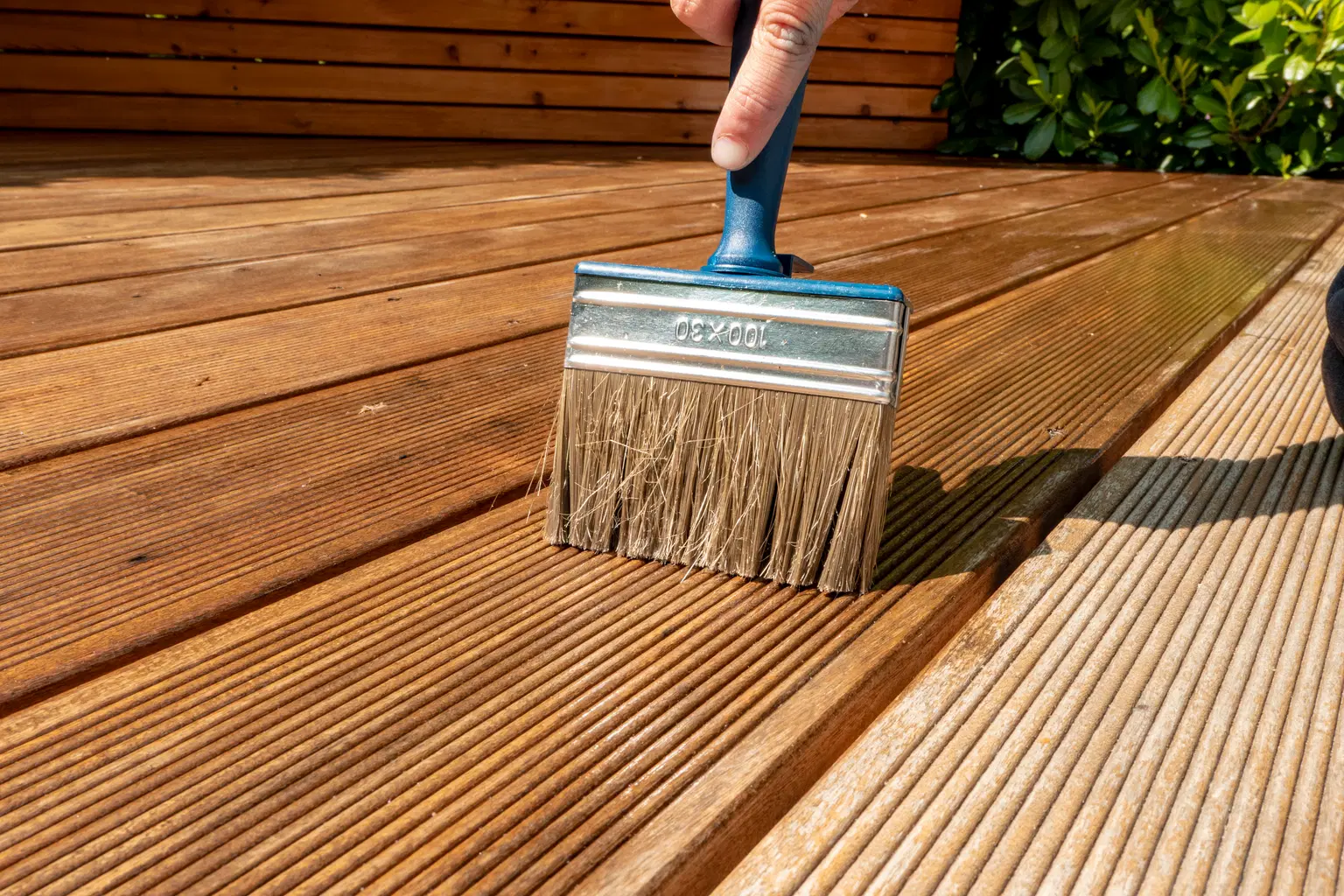
Paint-and-primer-in-one versus separate primer
The phrase paint-and-primer-in-one usually describes a high-build, self-priming finish paint. It may cover an existing, properly prepared painted surface well, but it does not necessarily seal stains, stabilize porous materials, or bond to every slick substrate.
For a sound wall receiving a similar color, self-priming paint can be an efficient choice. For bare drywall, raw wood, cabinets, stains, or specialty surfaces, separate primer and paint perform different jobs and should not be treated as interchangeable.
Cabinets are a good example. Kitchen surfaces collect grease and cleaning residue, so they require protection of the work area, thorough degreasing, sanding, and a chemical- and scratch-resistant primer and topcoat system. Premier follows this preparation-focused approach for cabinet projects because adhesion matters as much as the final color.
Product selection also affects indoor air quality. Low-VOC finish paints can reduce odors and emissions, while certain stain-blocking oil-based primers have a noticeable but temporary scent. Ventilation and scheduling help minimize disruption for families, pets, and people working from home. More guidance is available in this article about managing indoor air quality during interior painting.
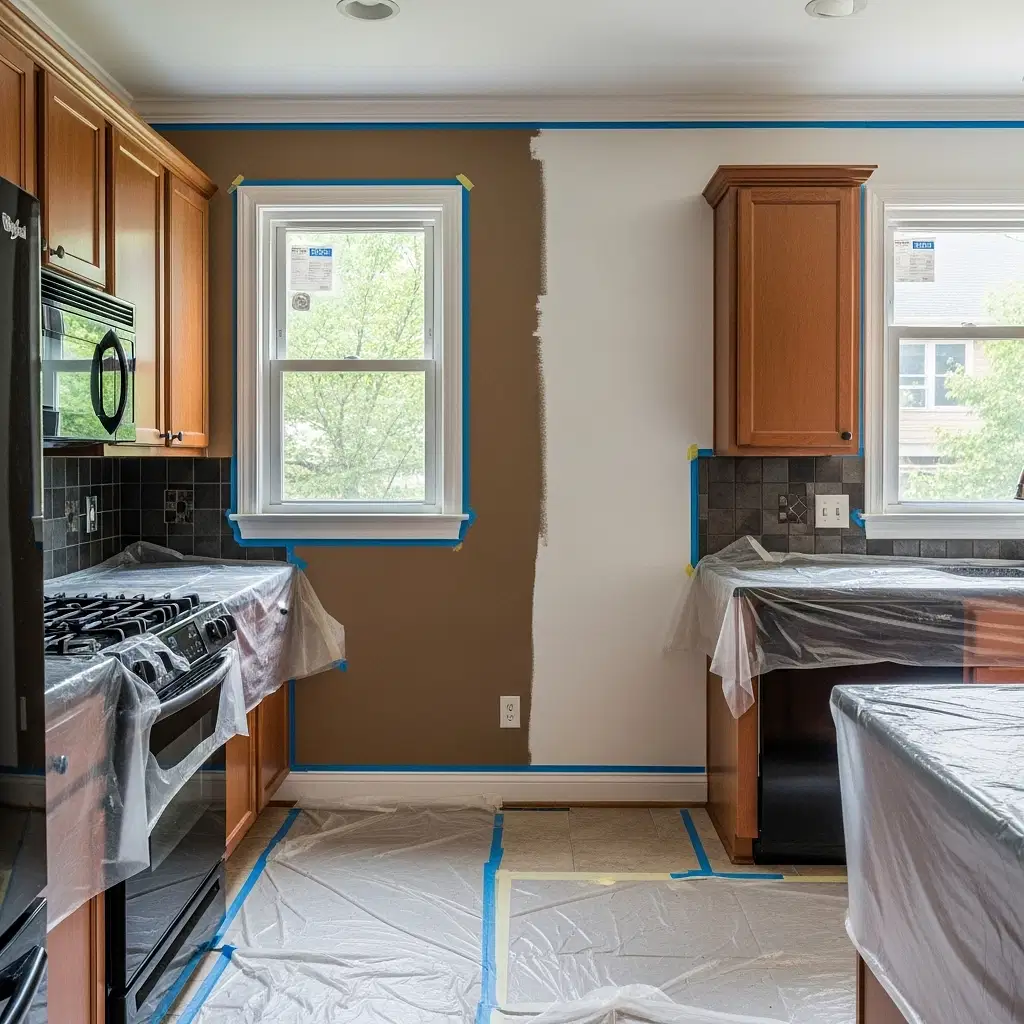
Primer selection should be part of the estimate
A trustworthy painting estimate should identify the surfaces being prepared, repairs included, primer type, finish products, expected coat count, protection measures, and cleanup. A very low bid may omit these steps, resulting in added charges or premature coating failure. Transparent scope and fair pricing make it easier to compare proposals on workmanship rather than price alone.
Professional painters should also evaluate coating compatibility and safety. Homes built before 1978 may contain lead-based paint, so disturbed surfaces may fall under EPA Lead-Safe Renovation, Repair and Painting requirements. Exterior and industrial surfaces can present additional moisture, access, and coating concerns. When standard primer is not enough, professionally specified specialty coatings can provide the necessary adhesion, chemical resistance, or durability for demanding PNW conditions.
Build the finish on the right foundation
Standalone primer is most valuable when a surface needs sealing, stain blocking, adhesion, or absorption control. It may add a step at the beginning, but it can prevent peeling, flashing, extra finish coats, and expensive rework later.
Premier Washington Painting Company provides residential painting, cabinets, decks, staining, paint restoration, new construction and re-paints, and specialty coatings for properties around the Sound. For a clear assessment of your surfaces and a detailed coating plan, contact Premier or call 253-397-6190 to request an estimate.